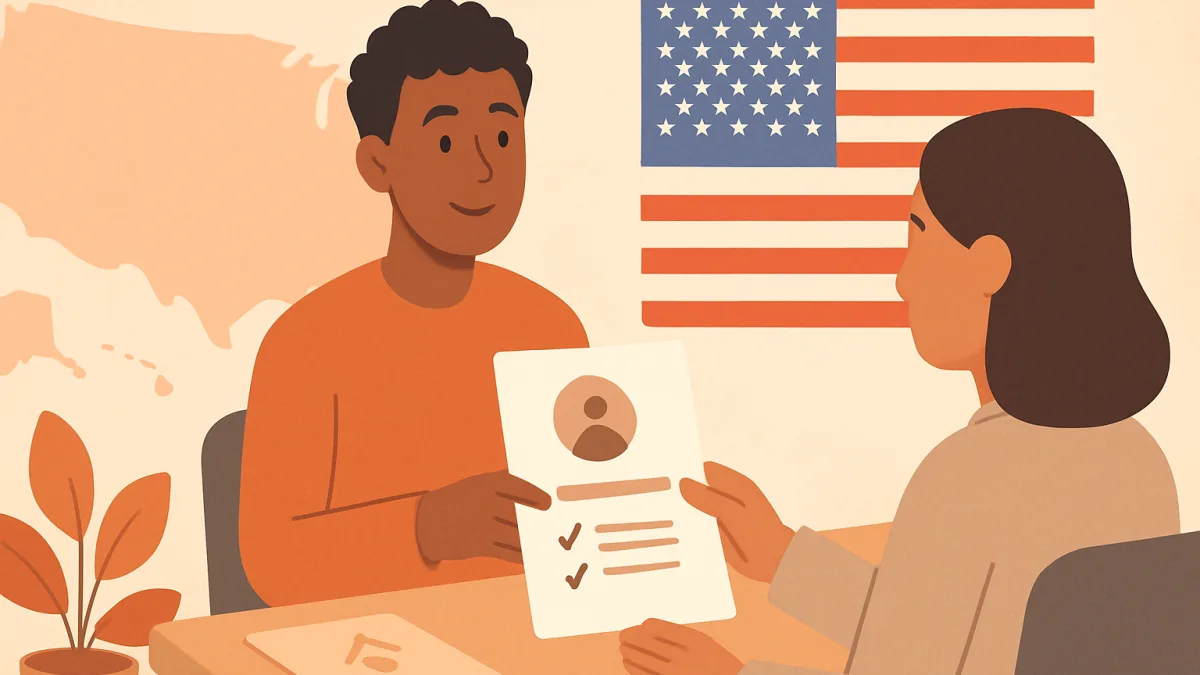
Getting hired when you have little or no work experience can feel like a frustrating cycle: employers want experience, but you cannot get experience without a job. The good news is that countless people break into the workforce every year, and you can too. Employers hiring for entry-level roles care about attitude, willingness to learn, and transferable skills just as much as a long resume. Here is how to present yourself as a strong candidate even at the very start.
Anúncios
Focus on Transferable Skills
You have more relevant skills than you might think. School projects, volunteering, sports, hobbies, and family responsibilities all build abilities that employers want. Identifying these skills can help you present yourself more effectively to potential employers.
- Communication: Skills gained from group projects, presentations, or customer interactions.
- Teamwork: Experience from participating in sports, clubs, or volunteer work.
- Reliability: Demonstrated by consistent attendance in school or meeting deadlines for assignments.
- Problem-solving: Instances where you figured something out, whether in academics or personal situations.
Identify these strengths and be ready to give concrete examples of when you used them. For instance, if you organized a fundraiser for a local charity, you can highlight your leadership, planning, and teamwork skills.
Cursos Gratuitos con Certificado:
Aumenta tu salario con cursos online.
Ver cursosYou will stay on this siteBuild Experience on Your Own
You do not have to wait for an employer to give you experience. You can create it yourself through various activities.
Anúncios
Volunteer or Intern
Volunteering and internships give you real-world tasks, references, and resume material. Even a few hours a week can demonstrate initiative and help you build connections. Consider local nonprofits, community centers, or schools that may need assistance. If possible, choose projects related to your desired career field to gain relevant experience.
Take Free Courses
Online courses and certifications show employers you are proactive. Many are free and can teach job-ready skills in areas like customer service, basic software, or data entry. Explore free training options through CareerOneStop, sponsored by the U.S. Department of Labor. Websites like Coursera, edX, and LinkedIn Learning also offer courses that could enhance your resume.
Write a Resume That Highlights Potential
Without a long job history, structure your resume to emphasize skills, education, and accomplishments rather than dates. Follow these steps to create an effective resume:
- Start with a short summary describing your goals and strengths. This should be tailored to the job you are applying for.
- List relevant skills, coursework, and certifications near the top to catch the employer's attention quickly.
- Include volunteer work, projects, and activities as if they were jobs, detailing your responsibilities and achievements.
- Tailor your resume to match the keywords in each job posting. This can help your resume pass through automated screening tools.
A clear, well-organized resume reassures employers that you take the opportunity seriously. Consider using a professional template to enhance the visual appeal of your resume.
Target Entry-Level Friendly Employers
Some industries are known for training new workers and hiring beginners. Consider focusing your job search on the following sectors:
- Retail: Stores often hire entry-level workers for cashiers, stock clerks, and sales associates.
- Food Service: Restaurants and cafes frequently need servers, cooks, and dishwashers.
- Hospitality: Hotels often look for front desk staff, housekeeping, and event coordinators.
- Warehousing: Distribution centers and warehouses commonly hire entry-level positions for packing and shipping.
- Call Centers: These roles often welcome individuals with no experience for customer service positions.
- Administrative Roles: Many businesses are willing to train for entry-level administrative positions.
Apprenticeships are another excellent path, allowing you to earn while you learn a skilled trade. Check local trade unions or vocational schools for opportunities.
Make a Strong Impression
When you land an interview, your enthusiasm can set you apart. Employers hiring entry-level workers often choose the candidate who seems most coachable and motivated. Here are some tips to make a strong impression:
- Research the Company: Learn about the company's mission, values, and work culture. This knowledge can help you answer questions and show genuine interest.
- Dress Neatly: Choose professional attire suitable for the job. First impressions matter, and dressing well can help you stand out.
- Arrive Early: Aim to arrive a few minutes early to show punctuality and respect for the interviewer's time.
- Be Honest: If asked about your experience, be truthful while emphasizing your eagerness to learn and grow.
- Follow Up: Send a brief thank-you message after the interview. This shows appreciation and reinforces your interest in the position.
Confidence and a positive attitude can outweigh a thin resume. Practice common interview questions with a friend or family member to prepare yourself.
Keep Going
Rejection is part of every job search, especially at the beginning, so try not to take it personally. Apply consistently, ask for feedback, and keep building skills along the way. Remember, every application and interview makes you better prepared for the next one. Here are some practical tips to stay motivated:
- Set Goals: Establish daily or weekly job search goals, such as applying to a certain number of jobs or reaching out to potential contacts.
- Network: Connect with friends, family, or acquaintances who may know of job openings or can provide referrals.
- Stay Organized: Keep track of the jobs you apply for, including dates and follow-up actions. This can help you stay focused and motivated.
With persistence and the right approach, your lack of experience will soon become a thing of the past.
Frequently Asked Questions
1. How can I highlight my skills if I don’t have work experience?
Focus on transferable skills gained through school, volunteering, or personal projects. Use specific examples to illustrate how you have successfully used these skills in different situations.
2. Are there specific industries that hire without experience?
Yes, industries like retail, food service, hospitality, and call centers often hire entry-level workers without prior experience. These sectors are known for providing training to new employees.
3. What should I do if I get rejected after an interview?
Rejection is common, especially when starting your career. Ask for feedback from the interviewer if possible, and use it to improve for future interviews. Keep applying and refining your approach.
4. How can I make my resume stand out with limited experience?
Highlight relevant skills, coursework, and any volunteer work. Tailor your resume to each job application, using keywords from the job description to demonstrate your fit for the role.